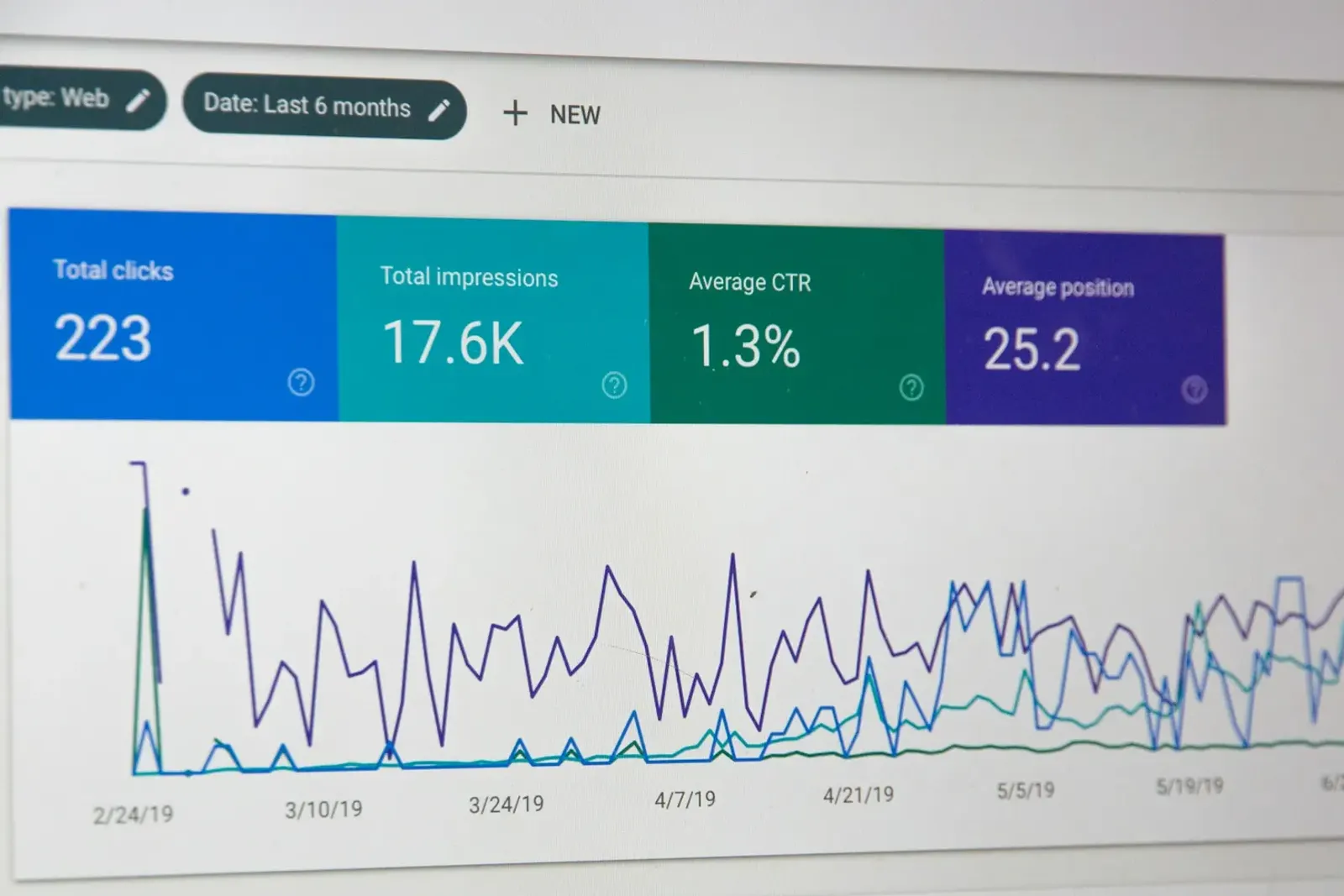

Paid advertising can put your business in front of the right people within hours, which makes it tempting and occasionally expensive. The platforms are designed to make spending easy. This guide focuses on the decisions that protect a small budget: where to advertise, how to structure campaigns, how to write ads that match intent and how to judge whether the money is working.
Search ads vs. social ads
The two main families of digital ads work in very different ways.
- Search ads appear when someone types a query. They capture existing demand: the person already knows what they want. They suit services people search for urgently or deliberately, such as "emergency plumber" or "wedding photographer Portland."
- Social and display ads appear while people scroll or browse. They create or nurture new demand by putting something in front of an audience that was not actively looking. They suit visual products, events and offers with broad appeal.
If people already search for what you sell, start with search. If they do not yet know they need it, social is usually the better first test.
Campaign structure that stays readable
Most ad platforms use a three-level hierarchy: campaign (budget and goal), ad group or ad set (a theme or audience) and ad (the creative). Keep each level tightly themed. A landscaping company might run one campaign for lawn care and another for hardscaping, each with ad groups for specific services. That way, budget and results stay clearly separated, and the ads can mention exactly what the searcher asked for.
Keywords and match types
On search platforms, match types control how closely a query must resemble your keyword. Broad match reaches the widest range of related searches; phrase match requires the meaning of your phrase; exact match is narrowest. Small budgets usually do better starting narrower and expanding once data shows what converts. Review the search terms report weekly and add irrelevant queries as negative keywords; this is the single most effective way to stop wasted clicks.
Targeting and audiences
Define location carefully: a radius around your service area or a list of specific towns, and check whether the platform is targeting people in the area or merely interested in it. On social platforms, start with a clear audience such as local adults interested in a related topic, or a lookalike audience based on your customer list where permitted. Retargeting people who visited your site is often efficient, but keep frequency reasonable and respect privacy settings.
Budgets and bidding
Decide on a test budget you are comfortable losing entirely while you learn, and commit to running it long enough to gather meaningful data, typically several weeks. Let automated bidding strategies optimize toward conversions only once you have conversion tracking working correctly; without that data, the system has nothing reliable to learn from.
Work backward from what a customer is worth. If an average job brings in a certain profit and one in five inquiries becomes a job, you can calculate the most you can afford to pay per inquiry. That number, not the platform's suggestion, should set your limits.
Writing ads that match intent
Effective ads mirror the searcher's language and make a clear, honest promise. For search ads, include the service and location in the headline, a specific benefit or differentiator, and a direct call to action. Use the available extensions or assets, such as call buttons, site links and location details, because they make the ad larger and more useful. For social ads, the visual does most of the work: show the product in use, keep text on images minimal and make the first line of copy count.
Always run at least two ad variations per group so you can learn which message works better, and change only one major element at a time.
The landing page decides the result
An ad's job is to earn a click; the landing page's job is to earn the action. Send traffic to a page that continues the exact promise of the ad, not to your generic home page. The page should load quickly on mobile, restate the offer in the headline, show proof such as real photos or verified reviews, and make the next step obvious. Our article on landing page anatomy breaks this down section by section.
Measuring results honestly
Set up conversion tracking before spending meaningfully. Track the actions that matter, such as form submissions, calls from ads, bookings or purchases, rather than clicks alone. Key measures:
| Metric | What it tells you |
|---|---|
| Click-through rate (CTR) | Whether the ad is relevant and appealing to the people who see it |
| Cost per click (CPC) | How competitive the auction is for your audience or keywords |
| Conversion rate | How well the landing page turns visitors into leads or sales |
| Cost per acquisition (CPA) | What you pay, on average, for each lead or customer |
| Return on ad spend (ROAS) | Revenue generated for each dollar spent, for e-commerce |
Compare platform-reported conversions with what you see in your own analytics and your actual sales records. Platforms use different attribution rules, and the truth usually sits somewhere between them.
Common pitfalls to avoid
- Accepting every automated recommendation without understanding it.
- Leaving broad targeting running without negative keywords or exclusions.
- Judging results after three days instead of several weeks.
- Sending all ads to the home page.
- Making exaggerated claims; ad platforms and regulators both expect accuracy.
Paid ads work best as an accelerator for a business that already has a clear offer and a page that converts. Start small, measure carefully and scale only what proves itself.