
Search engine optimization sounds technical, but for most small businesses it comes down to three questions: can search engines reach your pages, do they understand what each page is about, and is that page the most useful answer for the person searching? Everything else is detail. This page walks through those three questions in order and points you to the free tools that answer them.
How search actually works
Search engines run in three stages. First they crawl: automated bots follow links from page to page and download what they find. Then they index: the content is processed, sorted and stored so it can be retrieved later. Finally they rank: when someone types a query, the engine pulls candidate pages from the index and orders them by how well they appear to satisfy that query.
Each stage can fail on its own. A page that is blocked by robots.txt never gets crawled. A page that is crawled but marked noindex, or that duplicates another page, may never be indexed. And a page that is indexed but thin, slow or off-topic simply ranks below better options. When traffic disappoints, work out which stage is broken before changing anything.
Start with intent, not keywords
Keyword research is less about finding magic phrases and more about understanding what people are trying to do. Most queries fall into one of four intents:
- Informational — the searcher wants to learn something ("how to descale an espresso machine").
- Navigational — they want a specific site or brand ("Portland ferry schedule").
- Commercial — they are comparing options ("best bookkeeping software for contractors").
- Transactional — they are ready to act ("book bike tune-up near me").
Look at what already ranks for a phrase before you target it. If the first page is all how-to articles, a product page will struggle; if it is all local map results and service pages, a long blog post is the wrong format. Matching the dominant format is often the quickest win available to a small site.
Where to find realistic keywords
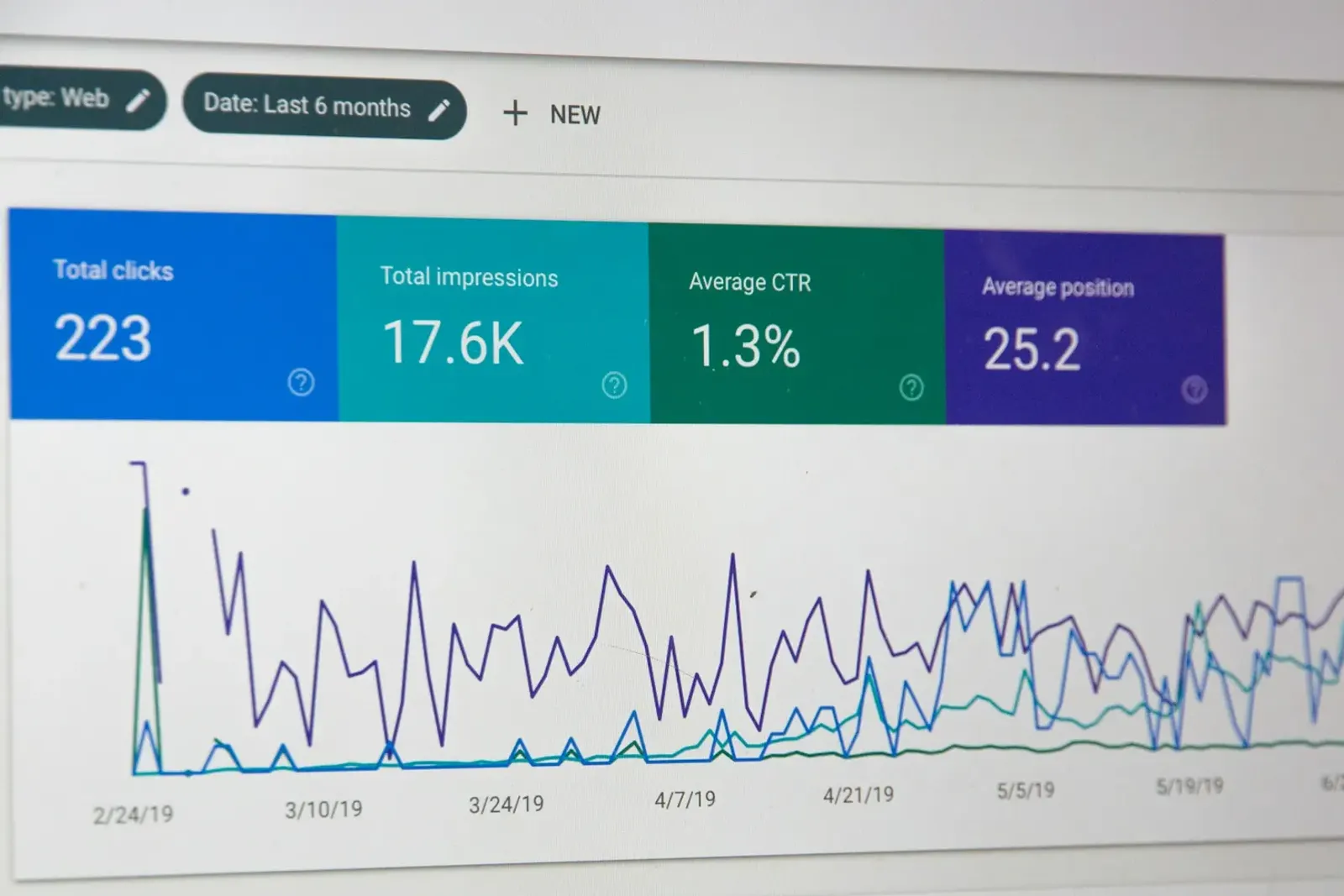
You do not need an expensive subscription to begin. Google Search Console shows the queries you already appear for, which is the most honest keyword list you will ever get. The autocomplete box, the "People also ask" panel and the related searches at the bottom of a results page reveal how real people phrase their questions. Customer emails, phone calls and reviews are just as valuable: the exact words customers use are usually the words they search with.
On-page basics that still matter
Once you know which query a page should answer, make that obvious to both readers and search engines. Each indexable page should have:
- One clear topic. If a page tries to rank for five unrelated services, split it.
- A descriptive title tag of roughly 50–60 characters that leads with the main subject and ends with your brand.
- A meta description that summarizes the page honestly. It rarely affects ranking directly, but it shapes whether people click.
- A single H1 and logical H2/H3 subheadings that let a skimmer understand the page in ten seconds.
- Descriptive internal links from related pages, using anchor text that says where the link goes.
- Images with alt text that describes the image for people who cannot see it.
Write the title tag last. After the page is finished, you will know exactly what it delivers, and the title will be more specific and more clickable than the one you guessed at the start.
Technical checks for small sites
Large sites have complex technical SEO problems. A ten- to fifty-page small business site usually has a short list, and you can check most of it in an afternoon:
- HTTPS everywhere, with the non-secure and non-www versions redirecting to one canonical address.
- An XML sitemap submitted in Search Console and referenced in
robots.txt. - Canonical tags so filtered, tracked or duplicate URLs point back to the main version.
- Mobile usability: text readable without zooming, tap targets not crammed together.
- Page speed: compressed images, few third-party scripts, and no giant sliders above the fold.
- No orphan pages: every page you care about should be linked from at least one other page.
Core Web Vitals in plain English
Google's Core Web Vitals measure three experiences: how quickly the main content appears (Largest Contentful Paint), how quickly the page responds when someone taps or clicks (Interaction to Next Paint), and whether things jump around while loading (Cumulative Layout Shift). The fixes are usually unglamorous: resize images before uploading, set width and height on images, and remove scripts you no longer use.
The free SEO toolkit
| Tool | What it answers | How often |
|---|---|---|
| Google Search Console | Which queries and pages earn impressions and clicks; indexing errors | Weekly glance, monthly review |
| Bing Webmaster Tools | The same view for Bing, plus a useful site scan | Monthly |
| PageSpeed Insights | Speed and Core Web Vitals for a single URL | After design changes |
| A desktop crawler (free tier) | Broken links, missing titles, redirect chains | Quarterly |
| Google Business Profile | Local visibility in maps and the local pack | Weekly updates |
Content quality and earning links
Ranking well over time depends on publishing pages that are genuinely more useful than the alternatives. For a small business that usually means first-hand detail: real processes, real photos, answers to the questions your staff hear every week. Generic content that could appear on any site rarely holds a position for long.
Links from other websites still act as votes of confidence. The sustainable ways to earn them are local and relationship-based: suppliers and partners who list you, local news coverage of something you actually did, chamber of commerce and trade association directories, and resources so practical that other sites cite them. Avoid buying links or joining link schemes; the risk is not worth it.
A sustainable monthly routine
- Open Search Console and note the top ten queries and pages. Look for pages with many impressions but a low click-through rate; rewrite their titles and descriptions.
- Check the indexing report for new errors and fix anything that blocks important pages.
- Update one existing page with fresher information, better examples or a clearer structure.
- Publish or improve one page aimed at a question customers actually ask.
- Add two or three internal links from older pages to the newest one.
SEO rewards patience and consistency more than cleverness. A small site that follows this routine for a year will usually be in a far stronger position than one that chased a single big overhaul and then stopped.